SYMPTOM · 01
Temp gauge climbing
Especially in stop-and-go traffic or with the A/C on. Could be a stuck thermostat, a weak water pump, or a fan that isn’t cycling. Pull over — driving hot cooks head gaskets.
Radiator, water pump, thermostat, coolant, hoses, fans. Cooling problems don’t stay small — a $40 hose ignored today becomes a $4,000 engine tomorrow. We pressure-test the whole system, show you the actual failure point, and fix the cause, not just the symptom.
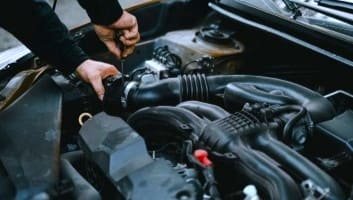
Especially in stop-and-go traffic or with the A/C on. Could be a stuck thermostat, a weak water pump, or a fan that isn’t cycling. Pull over — driving hot cooks head gaskets.
Sweet syrupy smell = coolant leak somewhere. Steam from the hood = it’s already boiled. We’ll find the source with UV dye and pressure-test — no guessing.
Green, orange, pink, or blue drips under the engine bay usually mean a leaking hose, radiator, or water pump. The color tells us the coolant type; the location tells us the part.
Low coolant, air in the system, a stuck thermostat, or a clogged heater core. Same problem, four different fixes — a proper diagnosis matters.
Full system exchange with the OEM-spec coolant for your vehicle — universal coolant is not one-size-fits-all. Includes a bleed to remove trapped air.
OEM-quality radiators with proper end tanks, correct fin density, and factory-fit hose connections. Not the cheapest aftermarket unit that fails in two summers.
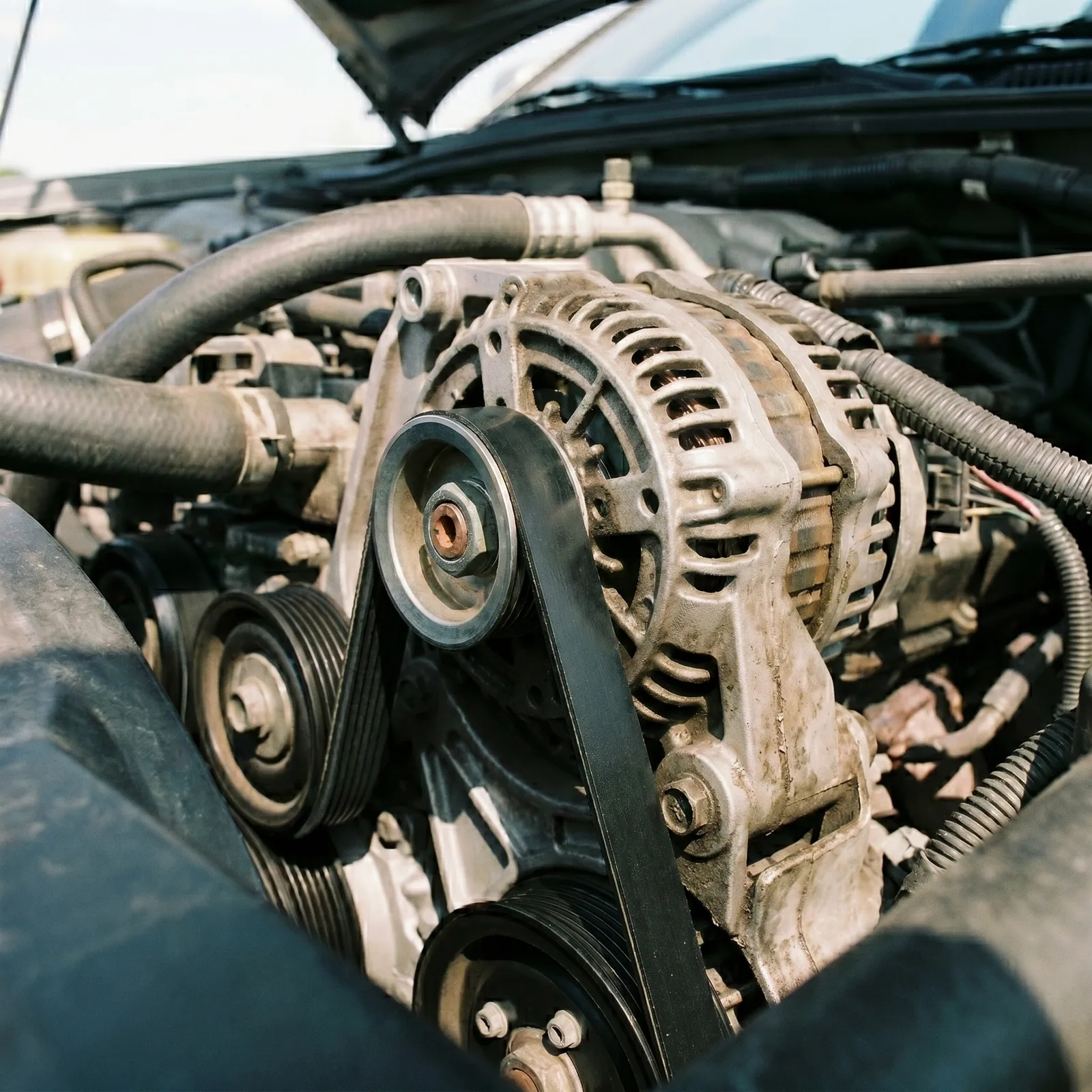
The main suspect on high-mileage engines. We replace the belt/tensioner and thermostat at the same time when it makes sense — one labor charge, not three.
Stuck-closed thermostats overheat the engine; stuck-open ones prevent it from warming up. Plastic housings crack — we replace with metal or upgraded parts where available.
Upper, lower, heater, and bypass hoses. Cheap parts, huge consequence if they fail on the tollway. We check every hose during any cooling service.
Electric fans that won’t cycle or mechanical fan clutches that lock up cause overheating at idle. Diagnosed with live data — not a guess.
Suspicious overheating gets a combustion-gas test on the coolant. If it’s a head gasket, you’ll know before you spend a dollar chasing the wrong repair.
Most manufacturers recommend every 60,000 to 100,000 miles or every 5 years, whichever comes first. Modern long-life coolants stretch that further, but a fresh test strip is the real answer. Book a cooling system check in Roselle, IL and we’ll test the coolant condition, not guess by mileage.
Distilled water in a roadside emergency is fine to get you home. But water alone freezes in Illinois winters, boils faster in summer, and rusts out cast-iron engine internals — so plan on a proper coolant service right after. Never use tap water long-term.
At speed, airflow through the radiator cools the coolant. In stop-and-go traffic that job falls to the electric fans. If the temp climbs at a red light and drops once you’re moving, the fans (or the fan-control circuit) are the usual culprit.
Not an emergency — but not something to delay either. A slow drip becomes a fast leak in cold weather when hoses contract. And running the engine low on coolant is the fastest way to damage a head gasket, which is a repair that costs 10–20 times more than the leak itself.
Yes. BMW, Audi/VW, Mercedes, and Volvo cooling systems have specific coolants (G12++, G13, HOAT, MB325) and pressurized plastic components that need OEM-spec parts. Universal coolant and generic parts cause the failures that bring these cars back a year later — we don’t use them.
You can call us directly at (630) 894-7077 or visit our contact page and we’ll reach back out to you for confirmation.